
I started tracking my spending expecting to learn something about the big categories.
Rent, insurance, the predictable monthly bills, the occasional larger purchase I already knew about because I had made a conscious decision to make it. Those numbers were not surprising. I knew roughly what they were before I ever opened a tracking app.
What I didn’t expect was how much of my spending happened in amounts under $20.
A coffee here, a small thing from a drugstore there, a subscription renewal for something I had forgotten I signed up for, an impulse purchase at checkout that felt inconsequential in the moment. None of these individually registered as spending worth noticing. Collectively, over a month, they added up to more than several of the categories I had actually been worried about.
Tracking catches something memory does not. You do not remember forty small purchases the way you remember one large one. The large purchase gets a moment of consideration, sometimes anxiety, occasionally regret. The small ones pass by because each one, on its own, seems too minor to think about.
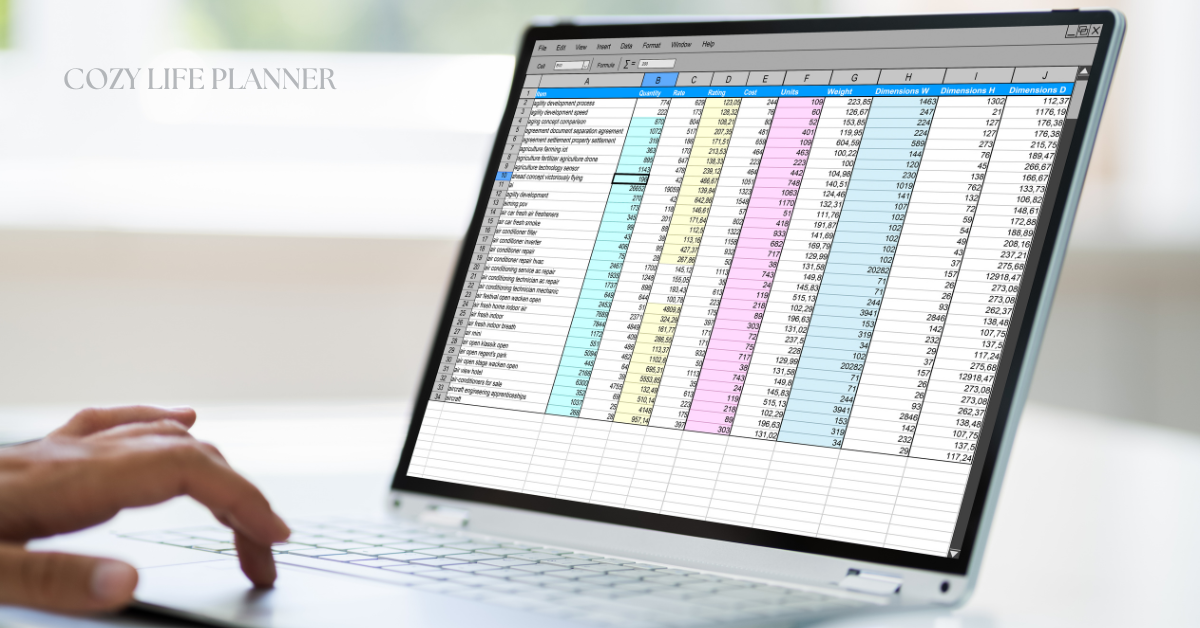
Because I am an absolute nerd about this sort of thing, I have a budget spreadsheet with all the color-coding you could want. I also use an expense-tracking app, mostly because it categorizes things automatically and I do not want anything slipping through the cracks. I operate mostly out of one account, but a few recurring expenses happen elsewhere. The app catches those when they pop up.
What surprised me when I saw a full month of expenses laid out by category was how much money could leave without my really noticing it. Not spent carelessly, exactly. Just spent five or ten or fifteen dollars at a time.
Once I saw the total, there was not much to fix. I mostly needed to start noticing those purchases while I was making them instead of discovering them at the end of the month. A five-dollar purchase is not going to break a budget. Forty of them can change one considerably.
That is what I still find useful about tracking. It puts the small spending where I can see it.
The big expenses rarely disappear from memory. I know what the rent costs. I know what insurance costs. But I am probably not going to remember the coffee from three Tuesdays ago, the thing I picked up while waiting in line, or the subscription that renewed while I was doing something else.
The numbers remember for me.
And once I have seen them, the next ten-dollar purchase is a little harder not to notice.



Leave a Reply